
Exploring the Majestic Black Canyon of the Gunnison National Park
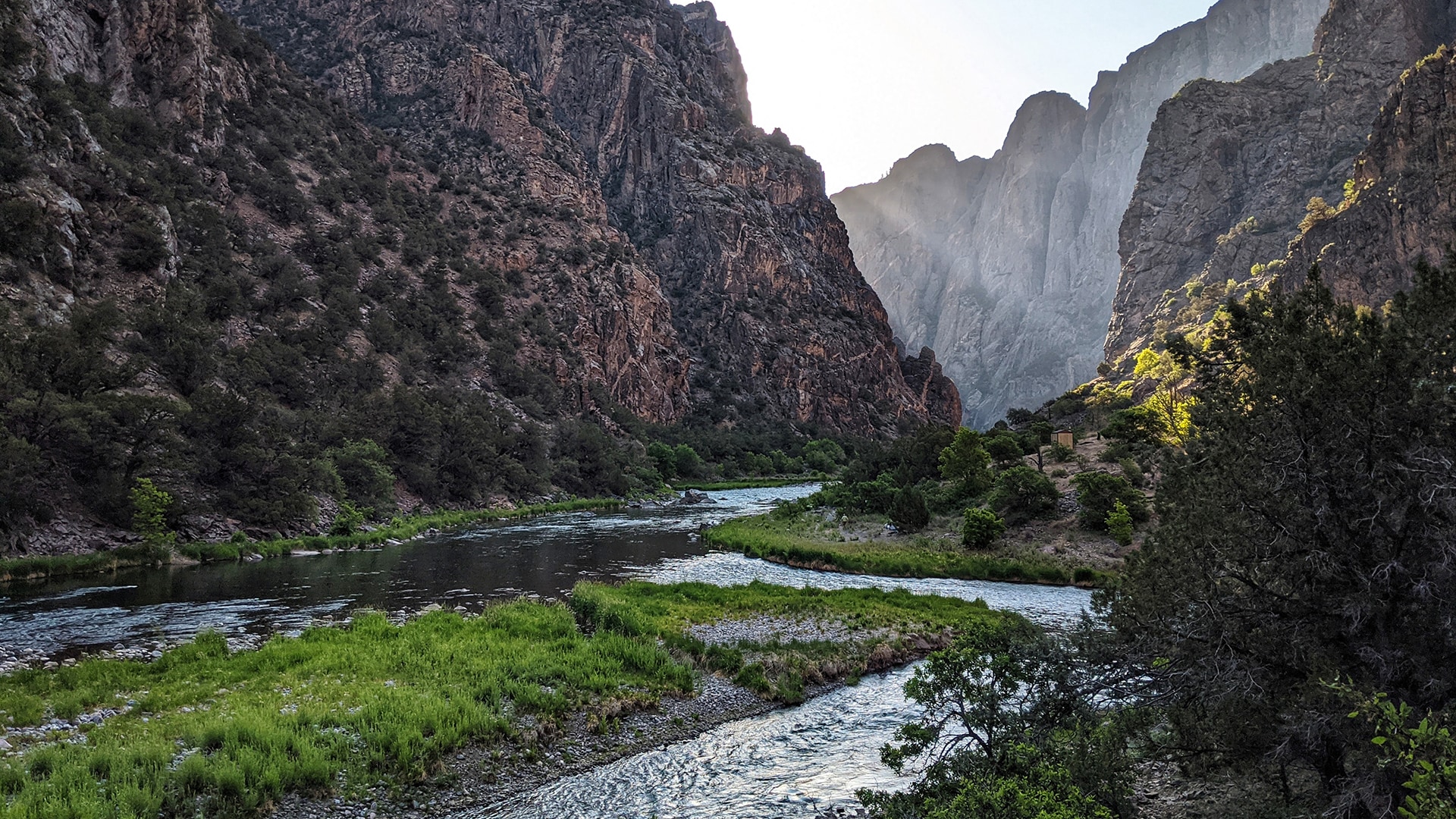
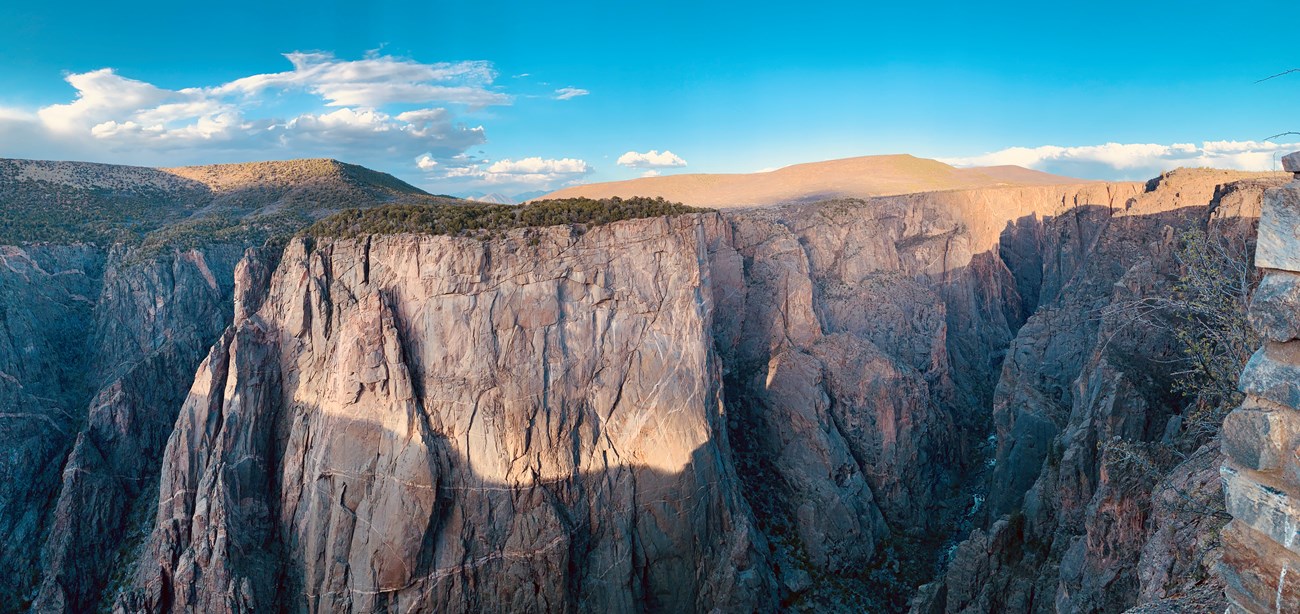
Imagine standing on the edge of a massive canyon, its towering gray stone walls rising over 2,700 feet above the fast-moving Gunnison River below. This dramatic landscape is one of the most awe-inspiring canyons in the country. In some places, it’s so narrow that sunlight barely reaches the bottom, only making its way down around noon. The park protects the deepest, most thrilling 14-mile stretch of this gorge, which sits about 75 miles upstream from where the Gunnison River meets the Colorado River.
A Canyon Carved Over Millions of Years
Now, picture this: Two massive stone walls made of hard gneiss and schist stretching across a canyon as long as Manhattan and taller than two Empire State Buildings stacked on top of each other. These towering walls were carved out by nothing but water, taking millions of years to form at an incredibly slow pace—just an inch of progress every 100 years. The result is a stunning geological masterpiece created over two million years of persistent, relentless erosion.
The rock layers at the base of the canyon are nearly two billion years old, dating back to the Precambrian era—an ancient period in Earth’s history. Throughout the canyon, veins of pink pegmatite, a type of igneous rock, break through the dark stone, adding a burst of color to the otherwise stark landscape.
A History of Exploration and Struggle
For much of the 19th century, both Native Americans and European explorers avoided this challenging canyon. It wasn’t until 1900 that five men attempted to navigate the Gunnison River in wooden boats, hoping to find a water source for irrigation in the Uncompahgre Valley. Unfortunately, after a month of battling the river’s harsh conditions—losing their boats and supplies—they gave up. However, the next year, two men succeeded, completing the journey in just ten days using rubber air mattresses.
Following this daring feat, work began on a water diversion tunnel to help control the river’s flow. The tunnel, completed in 1909 after four years of grueling labor, cut through rock, clay, and sand, with workers barely lasting two weeks due to the dangerous conditions. Today, three upstream dams have helped tame the Gunnison River, but the canyon’s raw beauty remains untamed and wild.
Take in the Spectacular Views and Wildlife

Driving along the canyon’s rim and hiking its trails offer countless opportunities to admire the sheer cliffs and towering rock formations. Look up, and you might spot ravens, golden eagles, and peregrine falcons soaring through the open air. The surrounding forests are alive with wildlife as well: mule deer and black bears roam the Gambel oak and serviceberry thickets, while Douglas firs grow tall in the canyon’s shade. Along the riverbanks, you’ll find cottonwoods and box elders clinging to life in the harsh environment.
How to Get to Black Canyon of the Gunnison National Park
The South Rim of the park is just 15 miles northeast of Montrose, Colorado, accessible via US 50 and Colo. 347. If you want to visit the North Rim, it’s an 80-mile drive from the South Rim, taking US 50W and Colo. 92, and turning south onto North Rim Road. Note that the first half of North Rim Road is paved. The nearest airports are in Montrose and Gunnison.
When to Visit the Canyon
Summer is the most popular time to visit, but be prepared for heat if you’re hiking exposed trails in the midday sun—make sure to bring plenty of water. Late spring and early fall offer perfect walking weather with cooler temperatures. Winter brings a quieter experience, ideal for backcountry camping, cross-country skiing, and snowshoeing. With the rim at 8,000 feet, winter conditions can begin as early as November and last through April. The North Rim is closed to vehicles during winter due to snow, but the South Rim remains open year-round, with access to the second overlook.
How to Make the Most of Your Visit

You can easily spend a day exploring the South Rim, which has a seven-mile (one-way) scenic drive and about five miles of hiking trails. If you have more time, don’t miss the chance to hike down to the canyon floor—just make sure to reserve enough time to appreciate the depth and beauty of this awe-inspiring place. For a more off-the-beaten-path experience, check out the North Rim, which has a five-mile unpaved road and offers a quieter, more remote perspective of the canyon.
FAQs for Visiting Black Canyon of the Gunnison National Park
1. What is the best time of year to visit the Black Canyon of the Gunnison National Park?
The best times to visit are late spring and early fall when the weather is ideal for hiking. Summer is also great but expect warmer temperatures. Winter is perfect for those looking to enjoy backcountry camping and snow sports.
2. How do I get to the Black Canyon of the Gunnison?
The South Rim is 15 miles northeast of Montrose, Colorado. To visit the North Rim, it’s about 80 miles from the South Rim. The closest airports are in Montrose and Gunnison.
3. Are there any reservations required for visiting?
No specific reservation is required for entry to the park, but some activities and areas may have seasonal or timed entry reservations, especially during peak season. Always check ahead on the park’s official website.
4. What kind of wildlife can I see?
The park is home to various species including mule deer, black bears, ravens, golden eagles, peregrine falcons, and many types of plants. Keep your eyes peeled as you hike and drive the rim.
5. How challenging is the hike to the canyon floor?
The hike to the canyon floor is strenuous and should not be taken lightly. It requires good physical condition, proper gear, and plenty of water. Plan accordingly and be prepared for a challenging, yet rewarding experience.
6. Is the North Rim open year-round?
The North Rim is closed to vehicles during the winter months due to snow. However, the South Rim remains open year-round with access to the second overlook.
7. Are there facilities at the park?
Yes, there are restrooms, a visitor center, and various amenities to help make your visit more comfortable. Be sure to bring water, especially in the warmer months, as the park can get quite hot in summer.
Conclusion: Experience the Majesty of Black Canyon
Visiting the Black Canyon of the Gunnison National Park is an unforgettable experience, offering stunning views, rich wildlife, and a sense of awe that comes from standing at the edge of one of the most dramatic landscapes in the country. Whether you’re hiking the rim or exploring its deep gorges, Black Canyon is a place where nature’s power and beauty are on full display.