
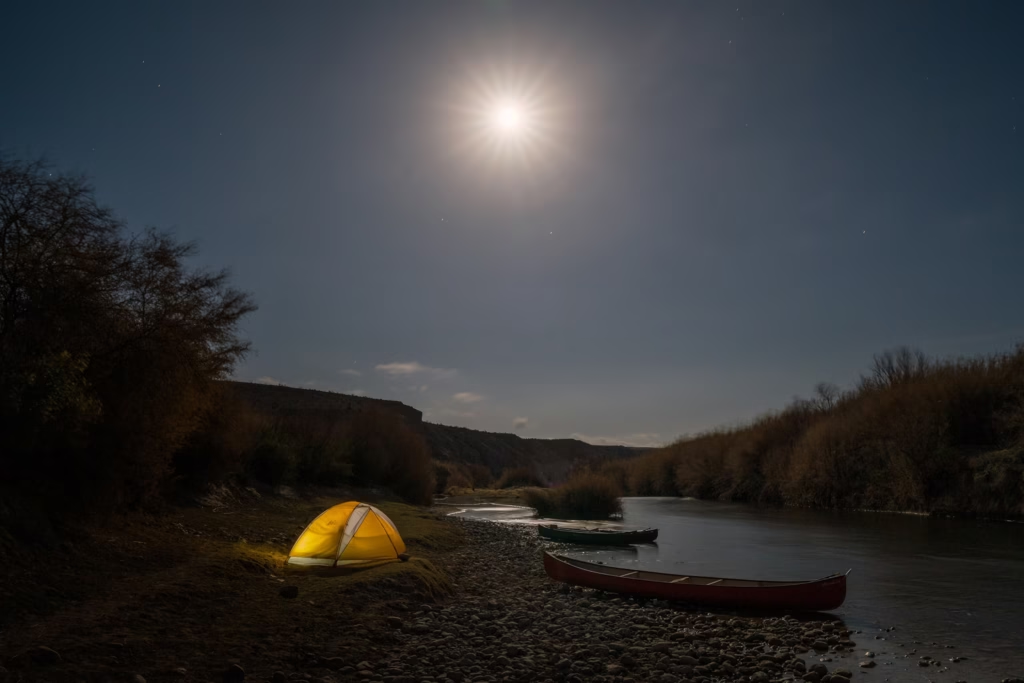
The Empowering Journey of Solo Camping: How to Reconnect with Nature and Yourself
Solo camping is one of those outdoor adventures that can be both thrilling and intimidating. There’s something incredibly empowering about heading into the wilderness alone—it’s a chance to reconnect with yourself and recharge. But let’s be real, it can also feel pretty daunting, especially for those who’ve faced exclusion in outdoor spaces or feel vulnerable in nature. Whether it’s the risk of unpredictable weather, safety concerns, or wildlife encounters, the thought of solo camping often brings up a lot of emotions.
That being said, the benefits of solo camping are undeniable. It’s not just about proving something to others—it’s about challenging yourself, growing, and gaining confidence. So, if you’re thinking about heading into the wild alone, here’s how to approach it, stay safe, and truly embrace the experience.
Prepare Yourself: Face the Fear with Confidence
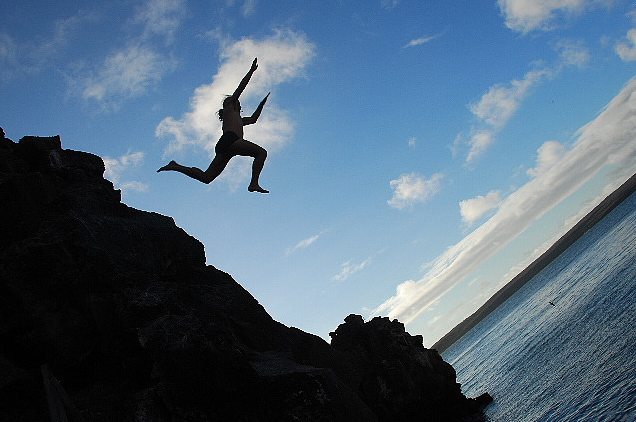
Travel writer Lauren Gay admits she was “absolutely terrified” the first time she went camping alone. As a Black woman, she didn’t always know what to expect when venturing out alone, but she didn’t let that stop her. “I refused to live in fear,” she says. “I wanted the experience, and that sense of independence gave me incredible pride.”
After surviving her first solo night in a tent, Gay found it to be peaceful and empowering. “Knowing you can truly take care of yourself—that confidence carries over into everyday life, helping you tackle obstacles or chase goals.”
To prepare, Gay recommends some simple, but powerful tips. Check the weather multiple times, arrive before dark, and always carry a firestarter. For a personal touch, bring along small comforts—like Oreos to make “s’more-eos” or a journal and watercolors for peaceful moments of reflection. She also suggests starting at a state park where there are more people around in case you need help.
Lissie Kretsch, a Yosemite National Park ranger, adds that preparation is key. “It’s about respecting yourself and the environment,” she says. “Solo camping puts you in full control, so being self-aware is essential.”
Trust Your Gut: Your Intuition is Your Best Tool
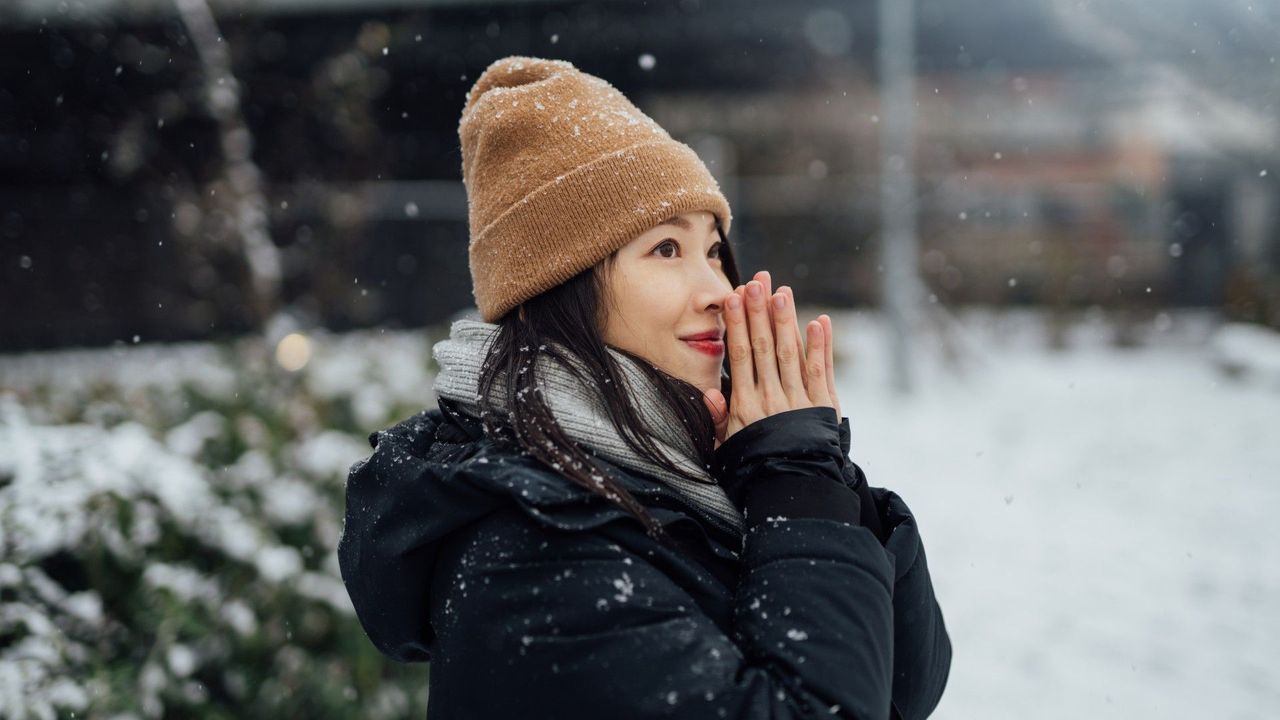
Solo camping often means stepping out of your comfort zone, and that’s exactly what makes it so powerful. It’s about proving to yourself that you’re capable and confident. “Listen to your intuition,” says Gay. “If something feels off or unsafe, pack up and leave. Trust yourself—you’re not here to impress anyone.”
For Nicole Snell, CEO of GirlsFightBack, the outdoors became her refuge during an abusive childhood. She now teaches women how to replace fear with awareness and tools for empowerment. “Nature isn’t inherently more dangerous than walking down the street,” she says. “We feel vulnerable because we’re alone, but that doesn’t mean we are. If someone attacks you, it’s not because of you; it’s because they’re an attacker. Setting boundaries is key to de-escalating situations.”
Snell also emphasizes the importance of not prioritizing others’ comfort over your own safety. “You have every right to set boundaries,” she says. “Don’t tell people you’re alone or disclose your campsite location.” For her, real empowerment comes from listening to her instincts. “It’s about living freely, while staying aware and listening to those gut feelings.”
Community in the Outdoors: Making Nature Safer and More Inclusive
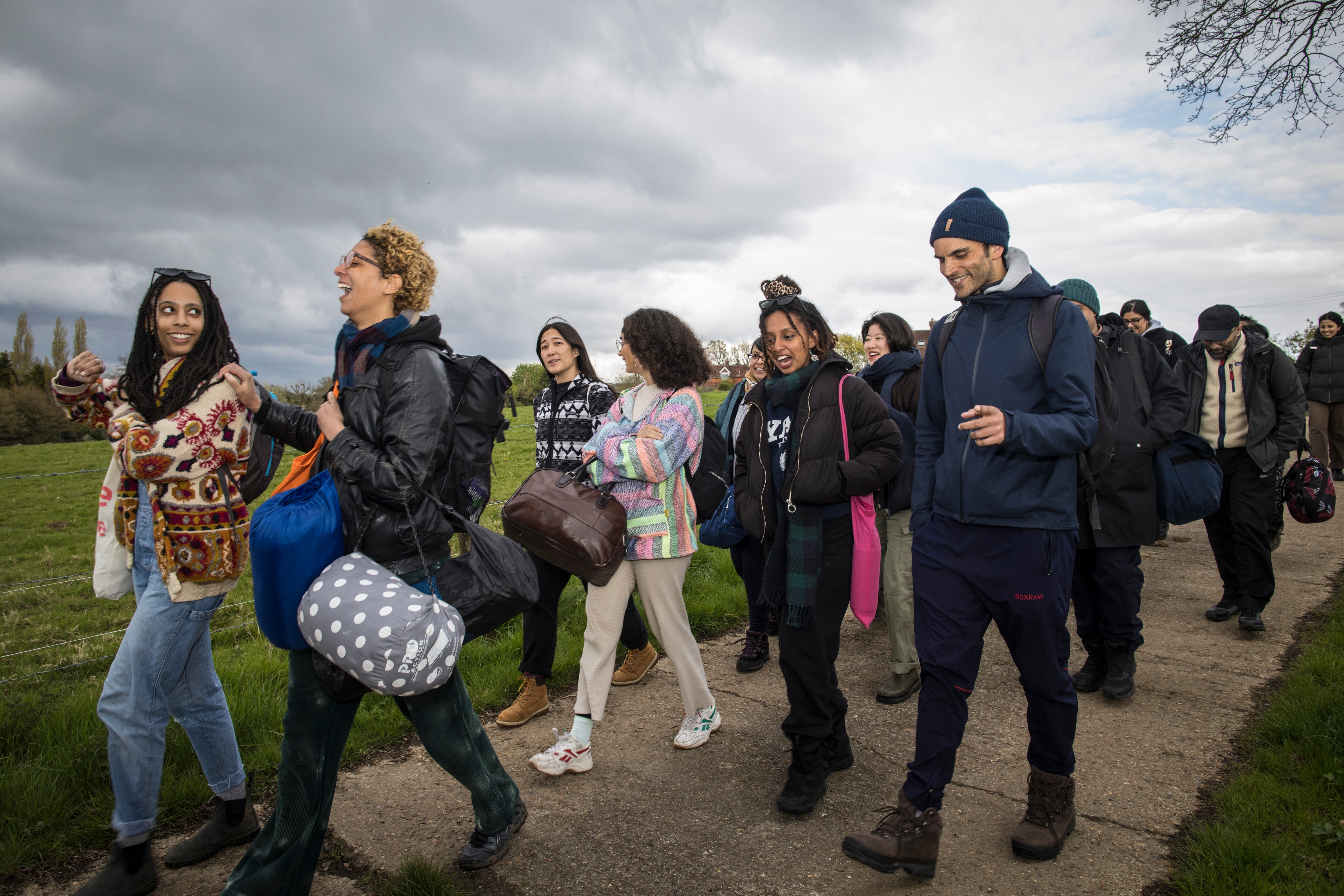
Historically, access to outdoor spaces has been a privilege denied to many. For marginalized groups—especially people of color, Indigenous communities, and the LGBTQ+ community—nature has often felt inaccessible, or even unsafe. Nicole Snell recalls a time when her father, a person of color, was excluded from national parks due to segregation laws. Sadly, this exclusion continued well into the 1950s.
“Humans are deeply tied to nature,” Snell says, “but access has been denied to so many.” She emphasizes the importance of making outdoor spaces inclusive and welcoming to all. “Everyone who loves nature must help make it safer for everyone. If you’re an ally, act accordingly. Take precautions and enjoy nature’s beauty. It belongs to all of us.”
Mario Ordoñez-Calderon, a Mayan Navy veteran, connects his identity to the land. “My existence is intertwined with nature,” he says, adding that while solo camping can be peaceful, it’s always important to respect nature’s power. He recalls a challenging backpacking trip during freezing conditions. “The storm will pass,” he told himself. This deep respect for nature keeps him grounded and calm, even in tough situations.
Pattie Gonia, a drag queen and environmentalist, encourages others in the LGBTQ+ community to also take their place in nature. “Nature belongs to you too,” she affirms. “Don’t be afraid. Be informed, and then go enjoy the joy that nature provides.”
Practical Tips for a Successful Solo Camping Experience
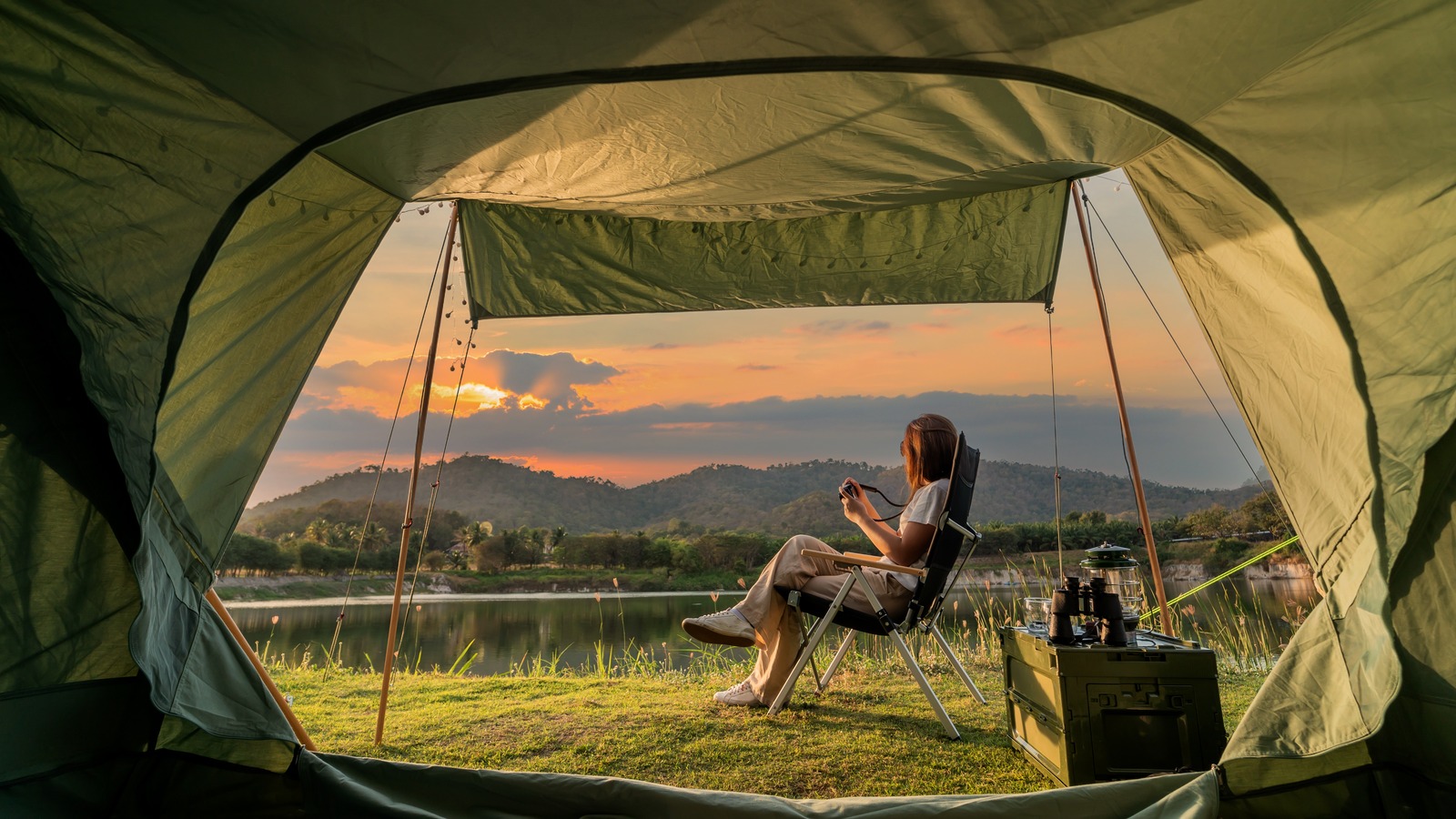
Solo camping isn’t just about the mental and emotional benefits; it’s about being well-prepared, staying safe, and knowing how to handle any challenges that arise. Here are some key tips:
- Gear Up: Ensure you have the right camping equipment, from a sturdy tent to a reliable first-aid kit. A portable power bank can also be a lifesaver.
- Know the Terrain: Always research the area you’re camping in—know the local wildlife, weather patterns, and any risks associated with the location.
- Stay in Touch: Share your itinerary and campsite location with someone you trust before you go. If possible, keep them updated regularly during your trip.
- Listen to Your Body: If you’re feeling physically tired, mentally overwhelmed, or simply uncomfortable, trust your body’s signals. There’s no shame in turning back or adjusting your plans.
- Safety First: Pack a first-aid kit, flashlight, and a pocketknife. Keep these items within easy reach when you sleep. A whistle or air horn is a good idea for signaling help in case of an emergency.
- Set Boundaries: Don’t be afraid to assert your space and comfort—whether it’s with other campers, wildlife, or anyone who crosses your path.
- Enjoy the Solitude: Take time to reflect, relax, and recharge. Bring a journal, some art supplies, or a book. And don’t forget to bring your favorite snacks!
FAQs for Solo Camping:
1. How do I prepare for solo camping?
Research the area, pack essential camping gear, share your trip details with someone trusted, and bring items to keep you comfortable, like snacks, journals, or books.
2. What if something feels unsafe during my solo camping trip?
Trust your intuition. If anything feels off, pack up and leave. It’s important to prioritize your safety and well-being above all else.
3. Are there specific places to start solo camping for beginners?
State parks are great places to begin solo camping. They offer access to resources like rangers and other campers, which can help ease your nerves.
4. How can I make the outdoors safer for everyone?
Be an ally. Support inclusive outdoor practices and encourage safety, respect, and awareness, especially for marginalized groups that may feel excluded from nature.
5. How do I stay safe from wildlife while camping alone?
Be cautious with food storage, stay aware of your surroundings, and avoid encounters with dangerous animals. Always keep your camp clean and use bear-proof containers when necessary.
Conclusion: Embrace the Power of Solo Camping
Solo camping is an opportunity to challenge yourself, embrace solitude, and gain a deeper appreciation for the natural world. Whether you’re setting off into the wilderness for the first time or are an experienced solo traveler, always trust your instincts, prepare wisely, and remember that nature, while beautiful, is meant to be respected. So go out there, and make the wilderness your own.