
Food Poisoning: What You Need to Know and How to Avoid It While Traveling
Traveling is often about enjoying new foods and experiences, but for many, those unforgettable meals can sometimes lead to an unpleasant side effect: food poisoning. Whether you’re indulging in pad Thai in Bangkok or enjoying fresh cheese in France, the excitement of sampling local flavors can be ruined by a bout of stomach illness. Here’s a breakdown of what causes food poisoning, what to do if you get sick, and how you can minimize the risks when traveling.
What Causes Food Poisoning?
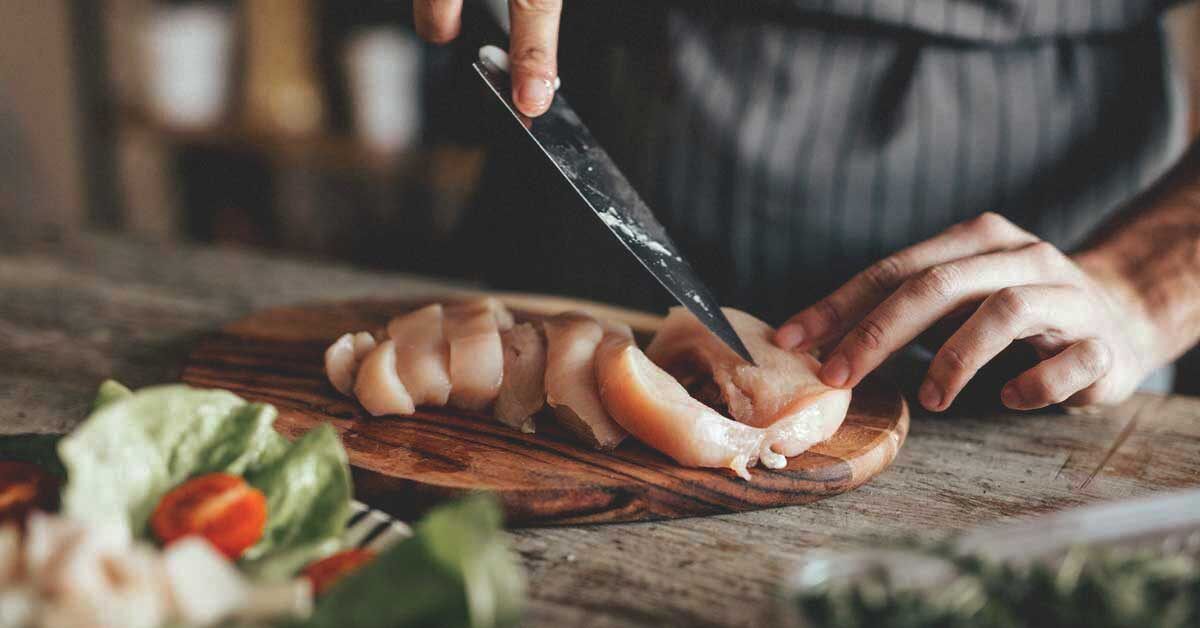
Food poisoning is caused by pathogens such as bacteria, viruses, and parasites. Common culprits include E. coli, salmonella, norovirus, giardia, and listeria. These pathogens can cause symptoms like diarrhea, vomiting, stomach cramps, fever, and body aches. While foodborne illness is more commonly associated with lower-income countries, it can happen anywhere—from exotic locations to your local grocery store.
Key Causes of Food Poisoning:
- Undercooked meats (chicken, turkey, beef, etc.)
- Raw dairy products
- Unwashed fruits and vegetables
- Shellfish
- Food left out too long, especially at buffets or in warm, unsanitary conditions
Interestingly, water contamination can also be a major cause. In over 180 countries, including tourist hotspots like the Maldives and Mexico, tap water can be unsafe. Even brushing your teeth or washing your hands with local water could lead to illness.
Giardia parasites are especially common in contaminated water. Dr. Cindy Chung from Kaiser San Rafael Pediatrics explains that when a patient comes in with sudden diarrhea, a common question she asks is, “Been camping? At the beach? Traveled recently?”
What to Do if You Get Sick

If food poisoning strikes, there’s no miracle cure—but most illnesses run their course. Your body will work to flush out toxins via diarrhea and vomiting.
Steps to Take:
- Stay hydrated: The most important thing is to replenish fluids. Drink Pedialyte or low-sugar Gatorade to replace electrolytes. Avoid drinks with high sugar content, as they can worsen symptoms.
- Pain Relief: Over-the-counter pain relievers, like ibuprofen, can help alleviate cramps.
- Avoid Anti-Nausea and Anti-Diarrhea Meds: Unless you’re in a situation where you can’t access a bathroom (such as on a plane), try to let your body flush out the toxins naturally. Anti-nausea meds like Imodium or Pepto-Bismol can slow down the process.
- Severe Cases: If you’re unable to keep fluids down, particularly for children or the elderly, doctors may prescribe medications like ondansetron (Zofran) to help reduce vomiting.
- Travel Insurance: If you’re too sick to travel, some travel insurance policies cover flight changes due to food poisoning. However, keep in mind that retroactive doctor’s notes can’t be issued after you miss your flight.
How to Prepare Before Your Trip
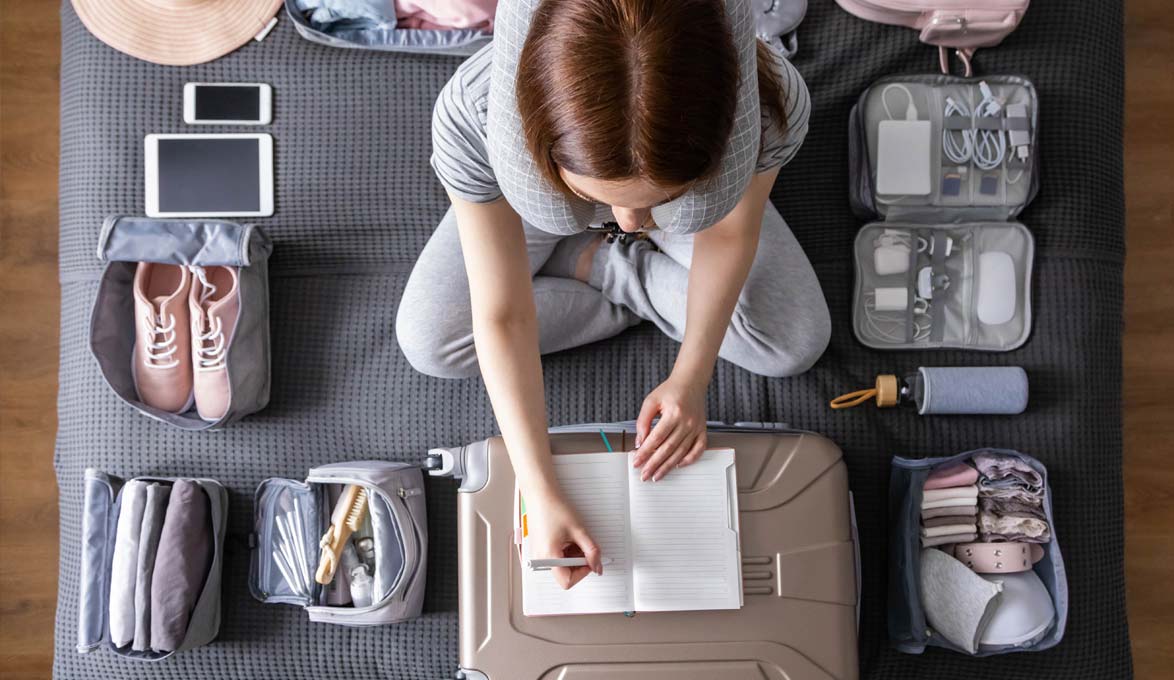
Before heading off on your adventures, here’s how to protect yourself from foodborne illnesses:
Consult Your Doctor:
Talk to your healthcare provider or visit a travel clinic for destination-specific advice. For example, azithromycin is often prescribed for traveler’s diarrhea caused by E. coli. However, only take it if you see blood in your stool.
Vaccinations:
Consider getting a hepatitis A vaccine to protect against contaminated food or water.
Preventive Measures:
- Pepto-Bismol: Mount Sinai experts suggest taking two tablets of Pepto-Bismol four times daily before and during travel. It has been shown to reduce traveler’s diarrhea risk by about 60%.
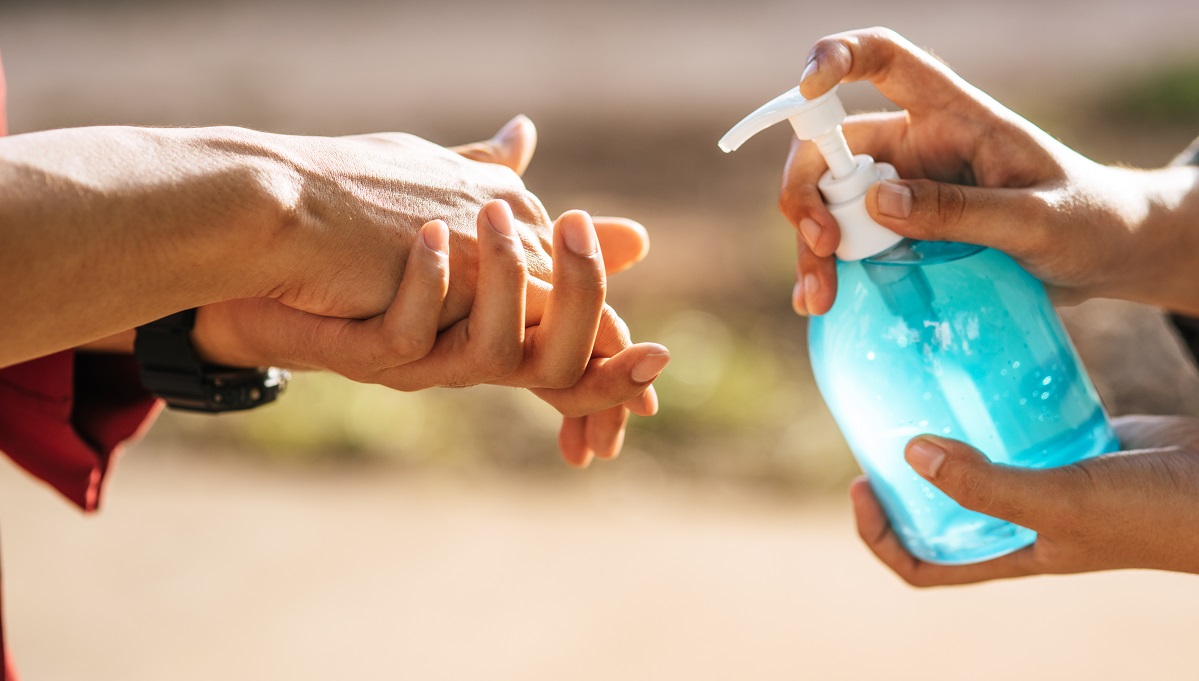
- Pack Essentials: Don’t forget to bring electrolyte powders, water purifiers, hand sanitizer, and medications like anti-diarrhea pills and pain relievers. Always keep them in your carry-on in case of emergencies.
- Avoid Airplane Sink Water: Don’t wash your hands or brush your teeth with airplane sink water. It’s a common source of contamination—use bottled water and hand sanitizer instead.
Staying Safe While Traveling
To reduce your chances of foodborne illness while abroad, follow these guidelines:
- Check Water Safety: Use the CDC’s Traveler’s Health tool to check whether the tap water is safe in your destination. Many hotels in at-risk areas offer filtered water or bottled water for guests.
- Choose Eco-friendly Solutions: To avoid relying on plastic bottles, use a heavy-duty filter bottle like Grayl to filter water, or carry a small water purifier. Always ensure the water is boiled or purified before drinking.
- Be Careful with Street Food: Local street food is often delicious but comes with risks. Dr. Bolaris suggests: “If you can’t peel it or clean it, don’t eat it.” Always observe how food vendors handle food. Are they using gloves or bare hands? It’s better to stick to cooked food—like grilled meats or fried dishes—and avoid raw seafood or lukewarm stews.
- Stay Informed: If you’re unsure about the safety of certain foods or water, ask locals for recommendations. They might know which food stands or restaurants are safe to eat at.
Hope on the Horizon: Advancements in Food Safety

Excitingly, scientists are working on a norovirus vaccine—a virus that affects 700 million people annually worldwide. In addition, FDA Food Traceability Rules (coming in 2026) will help track contaminated foods faster, leading to fewer outbreaks and safer food.
Food Poisoning: What You Need to Know and How to Avoid It While Traveling

Traveling is often about enjoying new foods and experiences, but for many, those unforgettable meals can sometimes lead to an unpleasant side effect: food poisoning. Whether you’re indulging in pad Thai in Bangkok or enjoying fresh cheese in France, the excitement of sampling local flavors can be ruined by a bout of stomach illness. Here’s a breakdown of what causes food poisoning, what to do if you get sick, and how you can minimize the risks when traveling.
What Causes Food Poisoning?
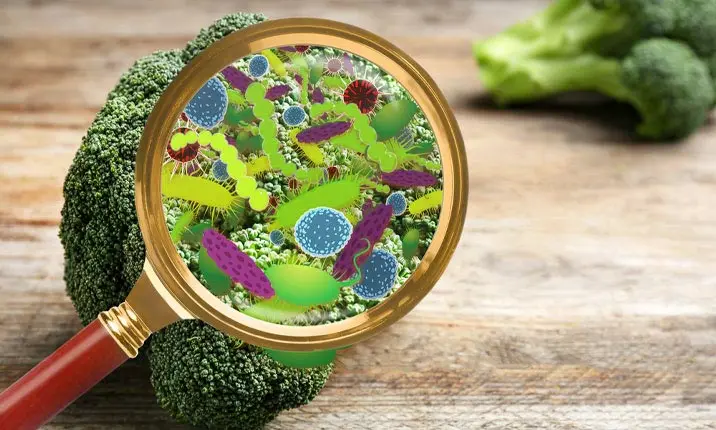
Food poisoning is caused by pathogens such as bacteria, viruses, and parasites. Common culprits include E. coli, salmonella, norovirus, giardia, and listeria. These pathogens can cause symptoms like diarrhea, vomiting, stomach cramps, fever, and body aches. While foodborne illness is more commonly associated with lower-income countries, it can happen anywhere—from exotic locations to your local grocery store.
Key Causes of Food Poisoning:
- Undercooked meats (chicken, turkey, beef, etc.)
- Raw dairy products
- Unwashed fruits and vegetables
- Shellfish
- Food left out too long, especially at buffets or in warm, unsanitary conditions
Interestingly, water contamination can also be a major cause. In over 180 countries, including tourist hotspots like the Maldives and Mexico, tap water can be unsafe. Even brushing your teeth or washing your hands with local water could lead to illness.
Giardia parasites are especially common in contaminated water. Dr. Cindy Chung from Kaiser San Rafael Pediatrics explains that when a patient comes in with sudden diarrhea, a common question she asks is, “Been camping? At the beach? Traveled recently?”
What to Do if You Get Sick
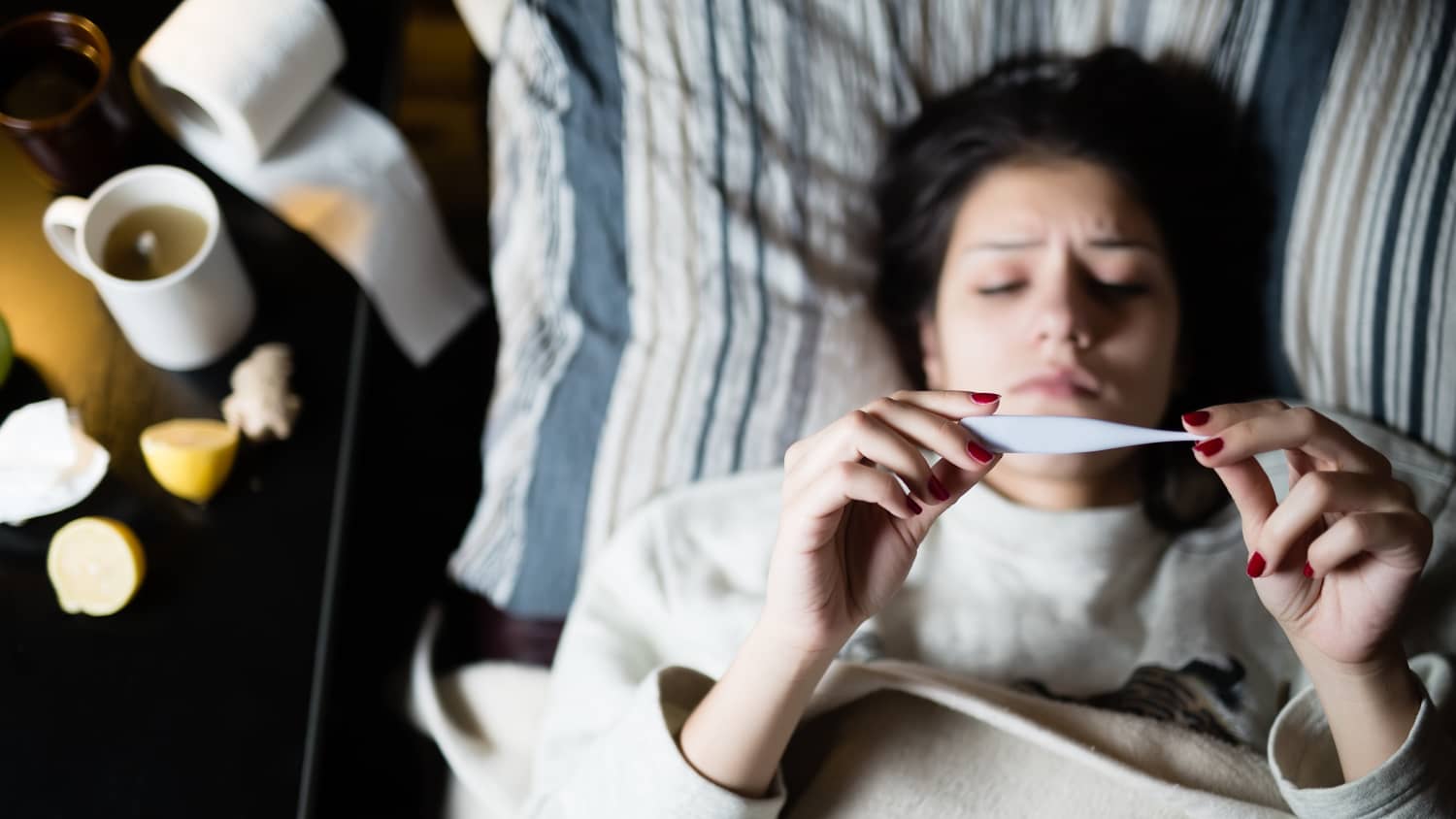
If food poisoning strikes, there’s no miracle cure—but most illnesses run their course. Your body will work to flush out toxins via diarrhea and vomiting.
Steps to Take:
- Stay hydrated: The most important thing is to replenish fluids. Drink Pedialyte or low-sugar Gatorade to replace electrolytes. Avoid drinks with high sugar content, as they can worsen symptoms.
- Pain Relief: Over-the-counter pain relievers, like ibuprofen, can help alleviate cramps.
- Avoid Anti-Nausea and Anti-Diarrhea Meds: Unless you’re in a situation where you can’t access a bathroom (such as on a plane), try to let your body flush out the toxins naturally. Anti-nausea meds like Imodium or Pepto-Bismol can slow down the process.
- Severe Cases: If you’re unable to keep fluids down, particularly for children or the elderly, doctors may prescribe medications like ondansetron (Zofran) to help reduce vomiting.
- Travel Insurance: If you’re too sick to travel, some travel insurance policies cover flight changes due to food poisoning. However, keep in mind that retroactive doctor’s notes can’t be issued after you miss your flight.
How to Prepare Before Your Trip
Before heading off on your adventures, here’s how to protect yourself from foodborne illnesses:
Consult Your Doctor:
Talk to your healthcare provider or visit a travel clinic for destination-specific advice. For example, azithromycin is often prescribed for traveler’s diarrhea caused by E. coli. However, only take it if you see blood in your stool.
Vaccinations:
Consider getting a hepatitis A vaccine to protect against contaminated food or water.
Preventive Measures:
- Pepto-Bismol: Mount Sinai experts suggest taking two tablets of Pepto-Bismol four times daily before and during travel. It has been shown to reduce traveler’s diarrhea risk by about 60%.
- Pack Essentials: Don’t forget to bring electrolyte powders, water purifiers, hand sanitizer, and medications like anti-diarrhea pills and pain relievers. Always keep them in your carry-on in case of emergencies.
- Avoid Airplane Sink Water: Don’t wash your hands or brush your teeth with airplane sink water. It’s a common source of contamination—use bottled water and hand sanitizer instead.
Staying Safe While Traveling
To reduce your chances of foodborne illness while abroad, follow these guidelines:
- Check Water Safety: Use the CDC’s Traveler’s Health tool to check whether the tap water is safe in your destination. Many hotels in at-risk areas offer filtered water or bottled water for guests.
- Choose Eco-friendly Solutions: To avoid relying on plastic bottles, use a heavy-duty filter bottle like Grayl to filter water, or carry a small water purifier. Always ensure the water is boiled or purified before drinking.
- Be Careful with Street Food: Local street food is often delicious but comes with risks. Dr. Bolaris suggests: “If you can’t peel it or clean it, don’t eat it.” Always observe how food vendors handle food. Are they using gloves or bare hands? It’s better to stick to cooked food—like grilled meats or fried dishes—and avoid raw seafood or lukewarm stews.
- Stay Informed: If you’re unsure about the safety of certain foods or water, ask locals for recommendations. They might know which food stands or restaurants are safe to eat at.
Excitingly, scientists are working on a norovirus vaccine—a virus that affects 700 million people annually worldwide. In addition, FDA Food Traceability Rules (coming in 2026) will help track contaminated foods faster, leading to fewer outbreaks and safer food.
FAQs about Food Poisoning While Traveling
1. What are the main causes of food poisoning while traveling?
Food poisoning is usually caused by eating food contaminated with bacteria, viruses, or parasites. Common culprits include undercooked meats, unwashed fruits and veggies, shellfish, and contaminated water.
2. How can I protect myself from food poisoning while traveling?
To minimize the risk, drink bottled or purified water, avoid raw or unpeeled fruits, and only eat hot, freshly prepared food. Pack medications like Pepto-Bismol to reduce the risk of traveler’s diarrhea and consult a healthcare provider for vaccines or prescriptions.
3. What should I do if I get food poisoning while traveling?
Stay hydrated with electrolyte solutions like Pedialyte and rest. Avoid anti-nausea and anti-diarrhea medications unless absolutely necessary. If symptoms persist or become severe, seek medical attention.
4. Can I get food poisoning in developed countries?
Yes, food poisoning can occur anywhere. Even countries with high standards of hygiene, like Italy or Australia, can have mishandled food, so always be cautious about what and where you eat.
5. Will travel insurance cover food poisoning?
Some travel insurance policies may cover flight changes or medical expenses if you fall ill due to food poisoning. Always check the terms of your insurance before traveling.
Conclusion
Food poisoning can ruin an otherwise amazing trip, but with proper precautions, you can greatly reduce your chances of getting sick. By staying informed, being cautious about food and water, and having the right medications on hand, you can enjoy the local cuisine while keeping your stomach happy. And with ongoing advancements in food safety, there’s hope for even better protection in the future. Safe travels!